

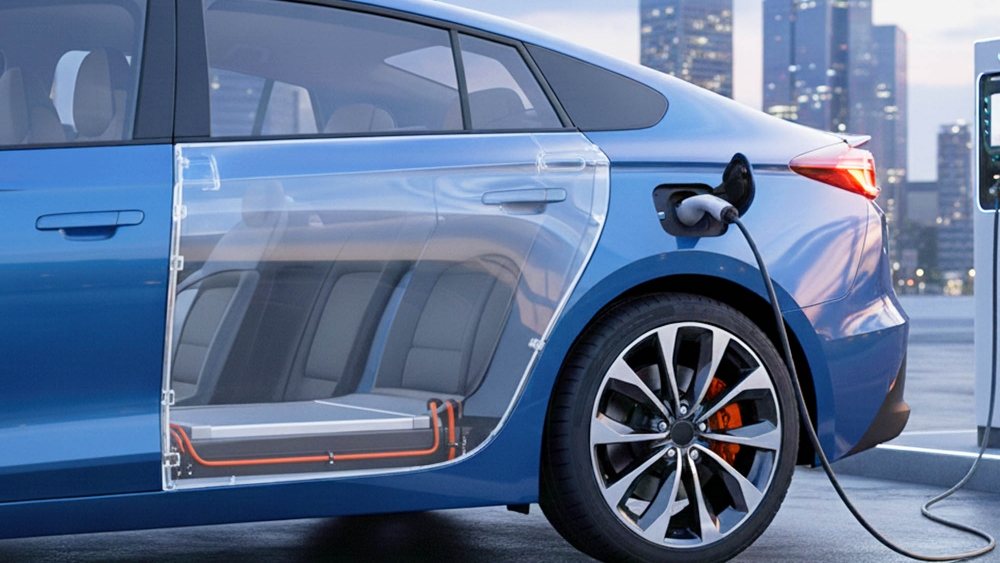
A German macro study reveals that plug-in hybrid (PHEV) batteries degrade faster than those in pure electric vehicles, with significant differences between brands and modes of use.
The long-term reliability of electrified vehicles is the big question that thousands of drivers ask themselves before taking the plunge. While battery electric vehicles (BEVs) enjoy a generally positive perception regarding the durability of their batteries, a recent comprehensive large-scale analysis has confirmed what many experts suspected: plug-in hybrid (PHEV) batteries age in a fundamentally different and often faster way.
The study, conducted by the German automobile association ADAC in collaboration with battery diagnostics partner Aviloo, analyzed real-world data from more than 28,000 plug-in hybrids of various makes and models over six years. The result is a detailed map of the degradation of these systems, a finding of vital importance to the growing second-hand market.
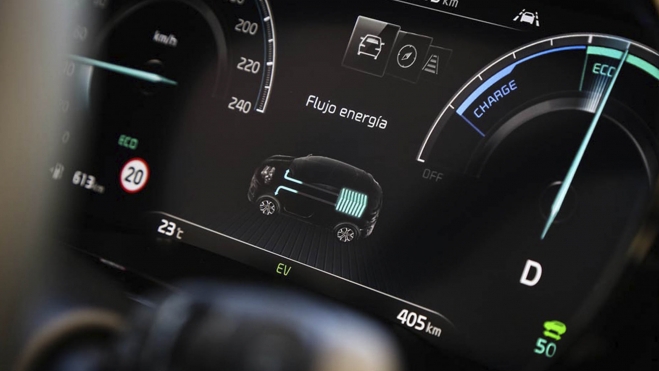
The small size of the battery accelerates the consumption of charge and discharge cycles.
Charge and recharge cycles
The main conclusion of the analysis is that PHEV batteries tend to lose their useful capacity more quickly than their 100% electric counterparts. This difference is not due to a design flaw, but rather a matter of pure operational physics related to the size of the pack.
Plug-in hybrid batteries are inherently smaller and, in order to provide functional electric range, are subjected to greater cycling stress. Over the life of the vehicle, a PHEV battery experiences many more “equivalent full cycles” and each kWh of its capacity is “worked harder” than in a BEV. This intensity of charge-discharge cycles increases chemical wear on the cells.
Added to this is thermal management. Latest-generation BEVs typically feature sophisticated active cooling and heating systems that keep the battery within an optimal temperature range. PHEVs, especially older generations, often make do with simpler thermal management systems, exposing the internal chemistry to greater temperature fluctuations, which always accelerates aging.
The ADAC study not only identified the cause of degradation, but also established the expected State of Health (SoH) percentages based on mileage. This data becomes a valuable tool for buyers evaluating a used PHEV.
According to the measurements, the average SoH of PHEV batteries should be at the following minimum values:
92% after reaching 31,000 miles.
88% after reaching 62,000 miles.
84% at around 150,000 kilometers.
80% once the 200,000-kilometer mark has been passed.
The good news is that most of the vehicles analyzed remain above 80% SoH even at 200,000 km, a figure that most manufacturers guarantee.
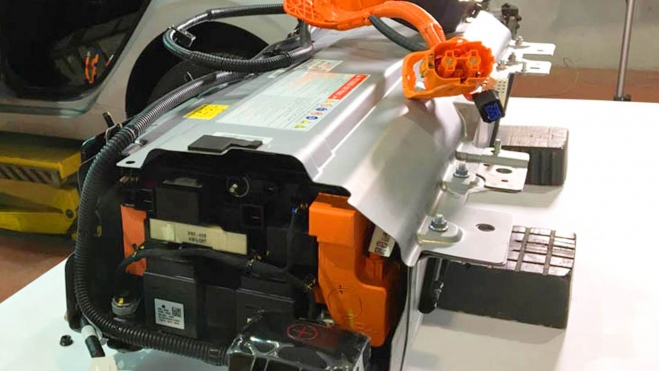
The aging of a plug-in hybrid battery depends directly on how it is used.
What is the usage factor?
One of the most interesting and even counterintuitive findings relates to driver behavior. The study confirmed a strong correlation between usage patterns and battery longevity.
Paradoxically, cars that were driven more often in pure electric mode (known as charge-depleting mode) showed faster degradation of the battery pack. Those that relied more on their combustion engine tended to preserve their batteries better. The reason is simple: every time electric mode is used, the pack undergoes a discharge cycle. The more cycles performed, the more stress is added to the battery.
The differences between manufacturers proved to be significant and are crucial information for consumers. Mercedes-Benz plug-in hybrid models stood out for their stability, maintaining remarkably high and stable SoH levels even above 200,000 kilometers.
At the opposite end of the spectrum were some Mitsubishi models, which showed significant and early degradation, even with low mileage, although this trend subsequently stabilized. Vehicles from the Volkswagen Group and Volvo remained in a range considered “unremarkable,” while BMW models showed considerable variation in degradation, depending directly on the degree of electric use.